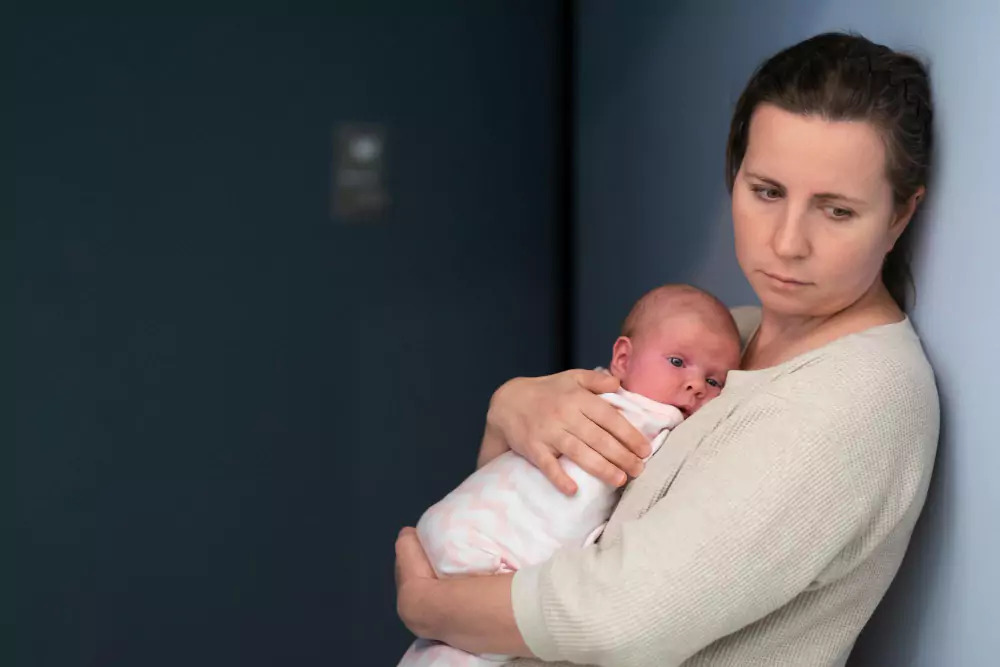
Postpartum depression (PPD) affects many new mums and is not a sign of weakness. Unlike the temporary baby blues, which typically subside within two weeks, PPD can last for months and significantly affect a mother’s mental health after childbirth. It's crucial to recognise the difference between the two: while the baby blues are mild and short-lived, PPD is more severe and may require professional help.
PPD can deeply impact a mother's emotional health after birth, influencing her ability to bond with her baby, care for herself, and maintain relationships. Feelings of sadness, guilt, and anxiety can interfere with her daily life, causing strain in her relationship with her baby and partner. The longer PPD goes untreated, the more challenging it becomes to manage, affecting both the mother’s well-being and her child’s emotional development. Recognising the signs of postpartum depression early is essential to getting the right support and care.
What is Postpartum Depression? Recognising the Symptoms of PPD
Postpartum depression (PPD) is a serious mental health condition that affects many new mums after childbirth. Unlike the baby blues, which typically resolve within 1-2 weeks, PPD can persist for months and often requires professional support.
Recognising the Symptoms of PPD:
- Emotional Symptoms:
- Persistent sadness, hopelessness, or irritability
- Overwhelming feelings of guilt or worthlessness
- Physical Symptoms:
- Fatigue or lack of energy, even after rest
- Changes in sleep patterns (e.g., insomnia or sleeping excessively)
- Changes in appetite (either overeating or lack of appetite)
- Cognitive Symptoms:
- Difficulty concentrating or making decisions
- Feeling overwhelmed and unable to cope
- Behavioural Symptoms:
- Withdrawing from loved ones
- Feeling disconnected from the baby
- Losing interest in activities previously enjoyed
PPD is different from the baby blues, which typically last for 1-2 weeks. If symptoms persist longer, seeking professional help is essential for managing postpartum depression effectively.
The Causes of Postpartum Depression: Why It Happens?
Postpartum depression (PPD) is influenced by several factors, and while there is no single cause, a combination of hormonal, emotional, and environmental changes contribute to its development.
- Hormonal Changes: After childbirth, dramatic fluctuations in estrogen and progesterone can trigger mood changes, increasing the risk of postpartum depression.
- Sleep Deprivation: Constant fatigue and lack of sleep are common during the postpartum period, which can contribute to emotional distress and exacerbate symptoms of PPD.
- Previous Mental Health History: Women with a history of depression or anxiety are more likely to experience postpartum depression, especially if they have experienced mental health challenges during pregnancy or in previous postpartum periods.
- Stress and Life Changes: Adjusting to life as a new mother, experiencing relationship changes, or lack of social support can play a significant role in developing postpartum depression.
- Genetic Predisposition: A family history of mental health disorders, particularly depression, can increase the risk of developing postpartum depression.
By understanding these causes, new mums can recognise potential risk factors and seek help early to manage their postpartum mental health.
How Postpartum Depression Affects You? Emotional and Physical Consequences
Postpartum depression (PPD) can significantly affect both emotional and physical well-being, as well as a mother’s relationship with her baby and partner.
Emotional Consequences:
- Ongoing Guilt and Shame: Mothers may experience persistent feelings of guilt, worthlessness, or shame, leading to a sense of inadequacy.
- Relationship Strain: PPD can cause communication struggles, reducing intimacy and understanding between partners.
- Parenting Impact: Difficulty bonding with the baby can hinder attachment, affecting the child’s emotional development.
Physical Consequences:
- Fatigue and Sleep Disturbances: Extreme tiredness and difficulty sleeping, even when the baby sleeps, can affect daily functioning.
- Chronic Headaches and Aches: Physical symptoms like headaches and unexplained aches may also arise.
- Increased Susceptibility to Illnesses: PPD can weaken the immune system, making the mother more prone to illnesses.
The emotional and physical consequences of PPD significantly impact a mother’s ability to care for herself and her baby, which makes early recognition and support crucial for her well-being and the child’s development.
How to Manage Postpartum Depression? Practical Steps for New Mums
Managing postpartum depression (PPD) involves prioritising self-care, seeking support, and considering treatment options.
- Prioritise Self-Care:
- Rest: Sleep when the baby sleeps and ask for help with night-time care.
- Healthy Eating: Eat balanced meals to support both physical and emotional well-being.
- Exercise: Light physical activity like walking can boost mood and energy.
- Enjoy Hobbies: Engage in activities that bring you relaxation and joy.
- Set Boundaries: Learn to say no and set limits to avoid overwhelm.
- Seek Support:
- Talk to Loved Ones: Share your feelings with your partner, family, and friends to reduce isolation.
- Building a Support Network: Join support groups or connect with other mothers for shared experiences.
- Seeking Professional Help: If needed, consult with a GP or therapist for additional support.
- Consider Treatment Options:
- Cognitive Behavioural Therapy (CBT): CBT can help manage negative thoughts and behaviours associated with PPD.
- Medications: If prescribed by your healthcare provider, antidepressants can support treatment and help improve mood.
Recovery from postpartum depression takes time, and having the right support system is key to improving emotional health after childbirth.
How to Cope with Postpartum Anxiety Alongside Depression?
Coping with postpartum anxiety alongside postpartum depression (PPD) requires a combination of self-care, professional support, and specific coping strategies. It's essential to recognise that postpartum anxiety can occur alongside PPD, often intensifying the emotional challenges new mums face.
Symptoms of Postpartum Anxiety:
- Constant Worrying: An overwhelming sense of fear, often about the baby’s well-being.
- Racing Thoughts: Persistent, uncontrollable thoughts that increase anxiety levels.
- Fear of Harming the Baby: Unfounded fears that one might inadvertently harm the baby.
Coping Strategies:
- Mindfulness: Practising mindfulness and relaxation techniques like meditation can help reduce anxiety.
- Deep Breathing Exercises: Engaging in deep breathing exercises can calm the nervous system and reduce racing thoughts.
- Professional Treatment: It’s vital to seek treatment for both postpartum anxiety and PPD. Cognitive behavioural therapy (CBT), relaxation techniques, and antidepressants like SSRIs can help manage both conditions effectively.
Recognising and treating both conditions together ensures a holistic approach to mental well-being during the postpartum period.
When to Seek Medical Help? Red Flags for Postpartum Depression
Postpartum depression (PPD) requires prompt attention if certain warning signs emerge. Seeking medical help early can prevent worsening symptoms and ensure effective treatment.
Red Flags Requiring Immediate Action:
- Persistent Symptoms for More Than 2 Weeks: If your symptoms of sadness, fatigue, or lack of interest persist for over two weeks, it's important to seek professional help.
- Worsening Feelings of Sadness, Guilt, or Hopelessness: If feelings of sadness or guilt worsen or become overwhelming, it may indicate more severe PPD.
- Thoughts of Harming Yourself or Your Baby: If you experience any thoughts of harming yourself or your baby, immediate medical intervention is necessary. This could signal postpartum psychosis, a serious condition requiring urgent care.
- Immediate Professional Help Needed in Severe Cases: If any of the above symptoms occur, it's crucial to seek help from a healthcare provider, as severe cases require professional intervention.
Other Considerations:
- Family or Personal History: A family history of mental health conditions, or personal history of depression or anxiety, increases the risk of developing PPD.
Prompt intervention and support can significantly improve recovery and well-being for both mother and baby.
Postpartum Depression Support: How to Get Help and Feel Better?
Postpartum depression (PPD) is a common condition that requires timely support. Seeking help is key to recovery and improving emotional health after childbirth.
- Recognizing Symptoms and Seeking Professional Help:
- Identify Symptoms: Look out for persistent sadness, anxiety, fatigue, and trouble bonding with your baby.
- Consult a Healthcare Professional: Speak to your doctor, midwife, or mental health specialist for a proper diagnosis and tailored treatment.
- Don’t Delay: If symptoms persist for over two weeks, seek help immediately.
- Medication: Antidepressants may be prescribed if PPD is severe, even while breastfeeding.
- Emergency Help: If you have thoughts of harming yourself or your baby, seek urgent medical attention.
- Exploring Treatment Options:
- Therapy: Speak with a therapist who specialises in maternal mental health. Cognitive Behavioural Therapy (CBT) or Interpersonal Therapy (IPT) are commonly used to manage PPD.
- Support Groups: Join support groups where new mums share their experiences and offer support, helping you feel less isolated.
- Online Resources: Explore websites, forums, and apps designed to offer emotional support and practical advice for managing PPD.
- Self-Care: Prioritise healthy habits like sleep, nutrition, and engaging in activities you enjoy.
- Creating a Supportive Environment:
- Partner and Family Support: Encourage open communication with your partner, family, and friends to ensure you receive the emotional support you need.
- Ask for Help: Don’t hesitate to seek help with childcare or household responsibilities.
With the right support and resources, managing postpartum depression becomes more achievable. Reaching out early can significantly improve recovery and well-being for both mother and baby.
Final Thoughts
Recovery from postpartum depression or postpartum anxiety takes time, but with the right help and support, it is entirely possible. It’s essential to remember that taking care of mental health is just as important as physical recovery. By seeking professional help and leaning on support networks, new mothers can successfully navigate this challenging period.
Seeking help is a strength, not a weakness. Empowering yourself to ask for support, whether from a healthcare provider, support group, or loved ones, is a crucial step towards healing.
Don’t forget to prioritise self-care. Make time for activities that promote relaxation, ensure you get rest when you can, and nourish your body with healthy foods. Embrace small victories and take it one step at a time. You are not alone in this journey, and seeking support is the best way to care for both your mental health and your family.
Frequently Asked Questions (FAQs)
What is mental health after giving birth?
Mental health after childbirth refers to the emotional and psychological well-being of new mothers. It includes managing stress, adjusting to life with a baby, and coping with mood changes.
What are the mental disorders of postpartum?
Common postpartum mental disorders include postpartum depression (PPD), postpartum anxiety, and postpartum psychosis. These conditions can cause feelings of sadness, anxiety, and in severe cases, delusions or hallucinations.
How long can postpartum depression last?
Postpartum depression can last anywhere from a few weeks to several months. Without treatment, it may persist for up to a year or longer.