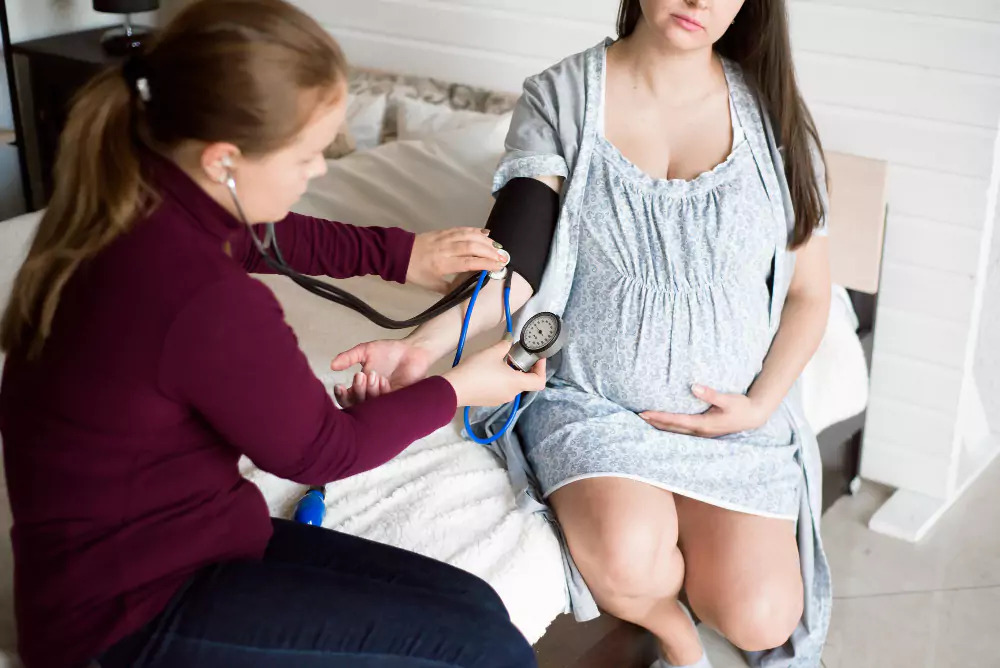
Postpartum recovery is a critical phase for new mums, as it involves significant physical and emotional changes after childbirth. Understanding postpartum body changes is essential for healing, whether you’ve had a vaginal birth or C-section. These changes include uterine contractions, perineal healing, and regaining strength, all of which are part of the recovery process after childbirth.
In addition to physical healing, emotional well-being plays a major role in postpartum recovery. Hormonal shifts can lead to mood swings and anxiety, with some women experiencing postpartum depression. Self-care, emotional support from loved ones, and rest are crucial for managing these emotional challenges and promoting mental health after childbirth.
By focusing on postpartum care, covering physical recovery, emotional support, and establishing healthy habits, new mums can improve their overall well-being. Prioritising postpartum healing ensures a smoother transition into motherhood and supports long-term health for both mum and baby.
Postpartum Body Changes: What Happens Right After Childbirth
Immediately following childbirth, a new mum's body begins a series of physical changes as it starts postpartum recovery. These changes are vital for physical healing and adjustment.
- Uterus Contractions and Birth Canal Healing: The uterus contracts to return to its pre-pregnancy size, which can cause cramping or period-like pain. This is more noticeable during breastfeeding due to hormone release. At the same time, the birth canal heals, especially if there were any tears or an episiotomy. Stitches may be used to aid healing, and it’s important to follow hygiene recommendations to prevent infection.
- Postpartum Bleeding (Lochia) and Managing the Process: Postpartum bleeding, or lochia, occurs as the uterus sheds its lining. Initially, lochia is bright red and may contain clots, gradually becoming lighter in colour and flow. It's important to manage lochia by using sanitary pads and monitoring changes. If bleeding is unusually heavy or accompanied by large clots or foul odour, seek medical advice.
- Breast Changes: Swelling and engorgement are common as milk production begins. This discomfort can usually be alleviated through breastfeeding or pumping.
- Other Physical Changes: New mums may experience weight loss due to the expulsion of the baby, placenta, and fluids. Hormonal shifts can also result in mood swings, hot flashes, and changes to skin pigmentation, such as melasma.
- Potential Complications: Keep an eye out for signs of postpartum complications like infection, excessive bleeding, or severe abdominal pain, and seek medical attention if needed.
By understanding and managing these postpartum body changes, new mums can more effectively navigate their recovery process and ensure a smoother transition into motherhood.
Managing Postpartum Recovery: Essential Tips for Healing After Birth
Postpartum recovery is an essential period for new mums, involving both physical and emotional healing. Balancing self-care, rest, and seeking professional advice are crucial for a healthy recovery.
- Postpartum Bleeding (Lochia): Postpartum bleeding, or lochia, typically lasts for several weeks. Initially, it’s bright red, becoming lighter in colour as the days progress. If the bleeding is unusually heavy or if large clots are passed, it’s important to seek medical advice. Lochia should gradually decrease and turn yellow or clear within four to six weeks.
- C-Section Recovery: For mothers who’ve had a C-section, proper wound care is crucial. Ensure the surgical area is kept clean and dry. Scar healing will take time, and following your healthcare provider’s advice for scar care is key. Pain management and mobility exercises, once cleared by your doctor, will help you regain strength.
- Vaginal Birth Recovery: After a vaginal birth, perineal discomfort is common, particularly if an episiotomy was performed. Pain relief can be managed with ice packs, painkillers, and warm baths. For episiotomy care, keep the area clean and follow any advice for stitch care. Use a squirt bottle with warm water after using the toilet and gently pat the area dry to avoid irritation.
- Pelvic Floor Rehabilitation: Starting pelvic floor exercises, like Kegels, soon after birth helps strengthen the pelvic muscles, aiding recovery. If you’re experiencing incontinence or pelvic discomfort, a physiotherapist can assist with tailored physical therapy to enhance pelvic floor strength.
- Abdominal Recovery: After pregnancy, many women experience diastasis recti, a separation of the abdominal muscles. This can be addressed with gentle core strengthening exercises. Start with abdominal breathing and gradual core exercises, and consult a healthcare provider for guidance on specific exercises to prevent further strain.
Postpartum Emotional Health: Navigating the Emotional Roller Coaster After Birth
Postpartum emotional health is often described as an emotional rollercoaster, with experiences ranging from baby blues to postpartum depression. Understanding these shifts and knowing when to seek help is essential for every new mum.
- Baby Blues vs Postpartum Depression: Baby blues often start within the first week after birth, marked by mild mood swings, crying spells, anxiety, and trouble sleeping. These symptoms usually resolve within two weeks. Postpartum depression, however, is more severe, with persistent feelings of sadness, fatigue, and difficulty bonding with the baby. If symptoms last beyond two weeks or worsen, professional help should be sought.
- Impact of Hormonal Shifts on Mood and Emotions: Hormonal fluctuations after childbirth significantly affect mood, often contributing to feelings of anxiety, irritability, and sadness. These changes can be intense but are usually temporary.
- Managing Stress and Anxiety: Prioritise self-care by getting adequate rest, eating a balanced diet, and engaging in gentle exercise. Mindfulness practices and relaxation techniques can help reduce anxiety. Reaching out to family or professionals for support can also ease stress.
- Importance of a Support System: Building a strong support system with family, friends, and professionals is crucial during the postpartum period. Don’t hesitate to ask for help with childcare, housework, or emotional support.
- Seeking Help for Postpartum Depression: Postpartum depression is a serious condition but is treatable. If symptoms persist or interfere with daily life, consulting a healthcare professional is essential. Early intervention can significantly improve recovery.
By recognising the signs of mood shifts and seeking timely support, new mums can better manage their emotional health and ensure a smoother recovery after childbirth.
Rest and Sleep for New Mums: The Importance of Recovery and Healing
Rest and sleep are critical to the postpartum recovery process, directly impacting physical healing and emotional well-being.
- The Challenge of Sleep Deprivation: Sleep deprivation can hinder healing, prolonging recovery after childbirth. It disrupts hormonal balance, heightens stress, and can affect the body's ability to repair itself, slowing tissue recovery and muscle healing.
- Practical Sleep Tips: Make the most of sleeping when the baby sleeps to ensure adequate rest. Sharing nighttime duties with a partner or a trusted support system can also help balance rest and caregiving responsibilities.
- The Role of Rest in Reducing Postpartum Fatigue: Prioritising rest plays a vital role in reducing postpartum fatigue. Adequate sleep helps the body recover from the physical demands of childbirth and supports emotional stability, preventing burnout.
- Creating a Sleep-Friendly Environment: Establish a sleep-friendly environment for both mum and baby. Keep the room dark, quiet, and cool to encourage restful sleep, and consider using white noise or calming music to help both you and your baby sleep better.
By prioritising rest and implementing practical sleep strategies, new mums can support both their physical recovery and emotional health, enabling a smoother transition into motherhood.
Postpartum Nutrition: What to Eat After Childbirth to Aid Recovery
Postpartum nutrition plays a crucial role in supporting a new mum’s recovery, boosting energy, and aiding in physical healing. A balanced diet helps manage stress, supports milk production, and reduces inflammation.
| Nutrient/Category | Key Foods | Benefits |
|---|---|---|
| Hydration | Water | Essential for milk production, overall health, and postpartum recovery. Aims for 8-10 glasses daily, more if breastfeeding. |
| Protein-Rich Foods | Beans, tofu, nuts, lentils, chicken, fish | Supports tissue healing, muscle repair, and maintains energy levels during recovery. |
| Iron-Rich Foods | Dark leafy greens, legumes, nuts, seeds | Combats fatigue, helps restore blood iron levels, and supports energy production. |
| Healthy Fats & Omega-3s | Nuts, seeds, salmon, flaxseeds, chia seeds | Reduces inflammation, supports milk production, and promotes emotional well-being. |
| Postpartum Supplements | Iron, calcium, omega-3 fatty acids | Essential for bone health, reducing inflammation, and supporting overall recovery. |
By focusing on these essential nutrients, new mums can help speed up recovery and ensure both physical and emotional well-being during the postpartum period.
Physical Activity and Postpartum Exercise: When and How to Start Healing Your Body
Postpartum exercise is key for physical recovery, but it’s crucial to take it step-by-step and follow professional guidance. Always consult your healthcare provider before starting any exercise regimen.
- Importance of Clearance: Before beginning any postpartum exercises, get clearance from your healthcare provider. This is especially important if you had a C-section or experienced complications during delivery.
- Recommended Low-Impact Exercises for Early Recovery:
- Walking: A low-impact exercise ideal for early recovery, it helps rebuild stamina and improve circulation.
- Gentle Yoga: Postnatal yoga can enhance flexibility, strengthen muscles, and promote relaxation, aiding emotional recovery.
- Focus on Pelvic Floor Exercises: Pelvic floor exercises should be a priority, starting soon after birth to strengthen the pelvic muscles. This helps reduce the risk of incontinence and supports overall pelvic health.
- Gradually Increasing Exercise Intensity: Start with short, gentle exercises, and slowly increase the duration and intensity as your body heals. Focus on rebuilding strength gradually, avoiding high-impact activities until after your 6-week postnatal check-up or longer if needed.
By starting slowly with low-impact exercises like walking and gentle yoga, and focusing on pelvic floor strength, you can safely rebuild your fitness and support your postpartum recovery.
Signs You Need Medical Help: When to Seek Professional Care During Postpartum Recovery
During postpartum recovery, it’s important to monitor your body for signs that require medical attention. Seek help if you experience:
- Heavy Bleeding or Signs of Infection:
- Heavy Bleeding: Soaking more than one pad per hour or passing large clots (egg-sized or larger) requires immediate attention.
- Signs of Infection: Fever (above 38°C), chills, redness, or swelling around any incision (C-section or episiotomy) and foul-smelling vaginal discharge are all red flags indicating infection.
- Severe Pain:
- Persistent Pain: If pain does not improve with rest or medication, especially after delivery, it may indicate complications, such as infection or unresolved injury.
- Difficulty Bonding with the Baby or Severe Emotional Distress:
- Emotional Health: Difficulty bonding with your baby or experiencing severe emotional distress (such as overwhelming sadness, anxiety, or hopelessness) may be signs of postpartum depression or anxiety. Seek help if these feelings persist beyond two weeks.
- Breastfeeding Issues or Nipple Pain:
- Breastfeeding Problems: Difficulty breastfeeding or persistent nipple pain that doesn’t improve could indicate latch issues, infection, or other concerns that need professional support.
- Persistent Pelvic Pain or Trouble with Urination:
- Pelvic Pain: Persistent pain in the pelvic area, especially after vaginal birth or C-section, or trouble with urination should be checked out. Difficulty urinating, pain during urination, or other urinary symptoms may indicate infection or injury.
By listening to your body and seeking medical help when needed, you can ensure a smooth and healthy postpartum recovery.
Final Thoughts
Postpartum recovery is not linear, and every mother’s journey is unique. It’s perfectly okay to ask for help when needed, whether from your partner, family, or healthcare provider. Your body has undergone a significant transformation, and it’s important to give yourself the time and space to heal.
- Recovery Takes Time, and Self-Compassion is Key: Allow yourself to heal without unrealistic expectations. Recovery may be slow, but self-compassion and patience will guide you through this phase. Understand that it’s normal to have difficult moments, and these emotions will pass.
- Strength, Health, and Confidence Will Return: With patience, the right support, and time, you will regain your strength, health, and confidence. Embrace your body’s remarkable journey and focus on your progress, not perfection.
- Take Small Steps Toward Wellness: Focus on taking small steps each day to enhance your well-being, from gentle exercise to practising mindfulness. Celebrate every achievement, no matter how small, as you continue to recover.
Remember, your postpartum journey is an evolving process. Embrace it with patience, seek support when needed, and know that healing will come in time.
Frequently Asked Questions (FAQs)
How long is the recovery for postpartum?
Postpartum recovery typically lasts 6-8 weeks, but full recovery may take longer, depending on individual circumstances.
What helps recover faster after giving birth?
Rest, hydration, balanced nutrition, gentle exercise, pelvic floor exercises, and seeking support can speed up recovery.
How do you feel immediately after giving birth?
You may experience physical pain, fatigue, emotional shifts, and hormonal changes, along with feelings of joy and bonding with your baby.
What is the 5 5 5 rule postpartum?
The 5-5-5 rule suggests resting for five days in bed, five days on the bed, and five days around the bed to support early recovery.